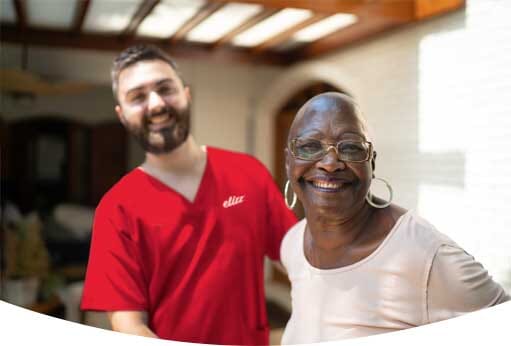
Acts of kindness for caregivers

How are you?
Elizz has been asking caregivers how they are feeling since it first launched in 2015. When we ask this question, most caregivers respond that they have NEVER been asked this question. They are asked how the person they are caring for is doing, but not how they are doing. It’s an understatement to say that this shows how invisible or taken for granted caregiving can be to others.
The difference 5 simple words make
So, how do 5 simple words, How are you feeling today?, make a difference for a caregiver? Feelings of appreciation and gratitude for being asked-that’s the difference it can make.
At Elizz, we echo the Ontario Caregiver Organization’s call for kindness to caregivers, by asking everyone to reach out to caregivers and ask them how they are doing. Just asking is an act of kindness. We suggest you be present for caregivers and probe in a way that makes them visible: “Really, are you fine?” “It must be hard,” “I know you are doing so much.”
51 acts of kindness for caregivers
At Elizz, we have a lot to say about how caregivers can be helped beyond the important ‘how are you’ question. Here is some inspiration for further acts of kindness:
Food
- Drop off a meal. Even better, if there is enough for leftovers, consider packing it up so that it can be frozen and thawed for a quick and easy meal at their convenience.
- Invitation for a home-cooked meal Woa!!
- Lets go out for a meal! Change of scenery is great!
- Start a food chain with others interested and willing to help.
- Call or text when you are going to the grocery store; Offer to pick up and drop off items in need.
- Double your baking recipe. Yummy!
- Share a gift card to a local restaurant/fast food place or even a coffee shop! Which coffee is better? Tim’s? Starbucks? Second Cup? …we aren’t touching that subject with a ten foot pole!
- Arrange for prepared meal delivery for a day, once a week, every full moon, whatever works!
Financial support
- Offer to help pay for services such as house cleaning, health care, or respite services.
- Print out or give the link to information on government funding, programs, and tax credits for caregivers . Help fill out paperwork, find answers to questions I have, or seek out information about eligibility.
Emotional support and advocacy
- Wait for a real answer, when you ask “how are you?” Don’t accept the typical “I’m fine.” Remember, 66% of caregivers are never asked how they are feeling. When they are asked, many respond with a short “fine” rather than the fuller story.
- Related to above, be present and listen without trying to ‘fix’ anything.
- A surprise / feel-good outing, such as a massage, pedicure, manicure, or some other self-nurturing gift.
- Quick check-ins! Call or text. Even if I am too busy to respond, they will know you are thinking of them, and as they say ‘its the thought that counts.
- Offer to stay with the person in their care, while they go for a walk or read a book at their favourite coffee shop.
- Watch The Caregivers’ Club film.
- Drop off funny movies in the form of DVDs, USBs, UFOs…whatever media system you have! Or, schedule a movie date (popcorn and all!).
- Drop off favourite magazines.
- Send or drop off flowers or a plant.
- Send a ‘thinking of you’ card in the mail (or if you forget how, revert to sending an e-mail!)
- Send a coupon for a hug, a meal, a walk, a movie, an uninterrupted vent session, etc.
- Make a playlist of favourite music or music you think they will love.
- Acknowledge (the difference) they are making, via the care they are giving.
- Offer a reminder that caregivers are the unsung heroes of the healthcare system.
- Be the driver; head out for a scenic drive.
- Research and share information about about support groups (virtual and face-to-face in the community).
- Arrange to do something fun together.
- Pray together or arrange for a prayer circle.
- Pray to what you believe in for the family.
- Offer to help with transportation – to /from faith meetings/worship gatherings or attend the service with them..
- Gift a subscription for an audiobook.
Hands on help
- Offer your time. Be very specific with your offering. For example, “I am all yours from 9–2 on Saturday or every Monday.”
- Seek out what the most taxing (physically or emotionally) part of the caregiving journey is and take this on (as a a break or take it on permanently).
- Do research on some caregiving task or activity of interest — caregivers often don’t have the energy, time, or skill to gather and weed through the information.
- Offer what you do well. For example, if you are an amazing organizer, offer this service. If you are a great gardener, offer some gardening help.
- Volunteer to be a ‘backup’ person for emergencies (thus creating a network of support).
- Mow the lawn.
- Shovel the snow.
- Rake the leaves.
- Fill the bird feeder.
- Take the dog for a walk or a trip to the dog groomer.
- Pet the cat and if you’re brave – trim its nails!
- File and organize paperwork. Create forms or documents to help with organization of emergency phone numbers, appointments, etc.
- Arrange to take vehicles in for an oil change or a tune up.
- Offer to attend medical appointments as another set of ears and for support (with the consent of the person being cared for).
- Schedule a visit and while doing so, wash the dishes, do a load of laundry, or load/unload the dishwasher.
- Pick up and drop off the kids at school or extracurricular activities.
- Pick up a load of laundry and bring it back clean (Hint: ask me about any soap or scent allergies/sensitivities before you bring back socks smelling like a field of daisies!).
- Organize photos because well, many of us could use this help!
- Set up e-mail if it is not already set up.
- Troubleshoot computer problems and/or set up the computer to be user-friendly.
Let us know what kind act made a difference for you, as a giver or a receiver.